
The world of private California construction projects will be fundamentally changed on January 1, 2026 with regard to prompt payment rules and the withholding of retention.
The California governor has signed into law SB 440 (the “Private Works Change Order Fair Payment Act”) implemented through Civil Code 8811 and SB 61 (the “Private Works of Improvement: retention payments”) implemented through Civil Code 8850. The new laws are not retroactive.
The following is a general description of what will be changing. I have linked annotated copies of the statutes, SB 440 and SB 61, which have additional detail. If you have questions, email me at lubka@huntortmann.com.
PROMPT PAYMENT ON CHANGE ORDERS – Civil Code §8811
Civil Code §8811 regards private projects in California.
Let me start at the end on this code section. Failure to follow the nonwaivable procedures set forth in §8811 can result in an award of 2% per month to a claimant and, perhaps more important, the right to stop work. This is an enormous shift in the balance of power regarding payments to contractors and subcontractors.
The following are set forth in broad strokes, but the new statute has numerous subtle changes.
- A contractor can submit a claim with “reasonable documentation” by certified or registered mail. The claim must be reviewed within 30 days. Undisputed amounts must be paid within 60 days. If there is a dispute, the owner must schedule, within 30 days, a “meet and confer” meeting between the owner and claimant to address any remaining disputes, with the result of the meet and confer being set forth in a writing by the owner noting any continued disputes. That writing should be issued within 10 days of the meeting.
- If there are continued owner disputes after the meet and confer, the disputes will be sent to non-binding mediation, with the costs being split by the owner and the claimant. The owner and claimant must agree to a mediator within 10 days of the post meet and confer report. If there is no agreement, the contractor will select the mediator.
- Failure by the owner to respond within the stated time periods will result in the claim being treated as denied in its entirety.
- If the mediation does not resolve all claims, the existing contract dispute process will be used to address the remaining disputed claims. Undisputed amounts or amounts on which the claimant prevails will bear interest at 2 percent per month.
- There is a limited ability to extend some of the deadlines by written agreement of the parties.
- Subcontractor Pass-Through Claims: The contractor now has an obligation to pass-through subcontractor claims using the process described above, although there is language in the new code section that implies the contractor may have some discretion. The subcontractor’s claim then is handled in accordance with the procedure set forth above. Significantly, once the subcontractor’s claim is submitted to the owner, the owner and subcontractor cannot settle those claims without the subcontractor’s approval.
- Suspension of Work: This is an enormous change. “The contractor and subcontractors shall have the right to suspend performance of their work, without penalty, until payment is received if the following procedure is followed”. The procedures require the claimant to send a notice by registered or certified mail to initiate the process, followed by another notice, a 10-day written notice of intent to stop work, sent thirty days after the first notice. The registered or certified mail must provide for return receipt.
Again, the requirements of Civil Code §8811 are not waivable and can’t be changed by contract. As noted, some of the deadlines can be adjusted.
RETENTION – Civil Code §8850
Civil Code §8850 regards private projects in California.
Previously the marketplace set the limit on how much retention could be deducted from progress payments on a private project, although 10% was typical. Now, by law, the maximum retention is 5%. If the retention exceeds 5% and there is an action to enforce Section 8850, the prevailing party will be entitled to attorney’s fees.
The two exceptions to the coverage of the statute are residential projects which are not mixed use or do not exceed four stories. The other exception is where a contractor or subcontractor is given written notice prior to bid that a performance and payment bond are required. If the contractor or subcontractor fails to provide a performance and payment bond from an approved surety, the retention can exceed 5%.
Owners, contractors and subcontractors – it’s time to update your contract to address these two new Civil Code sections.
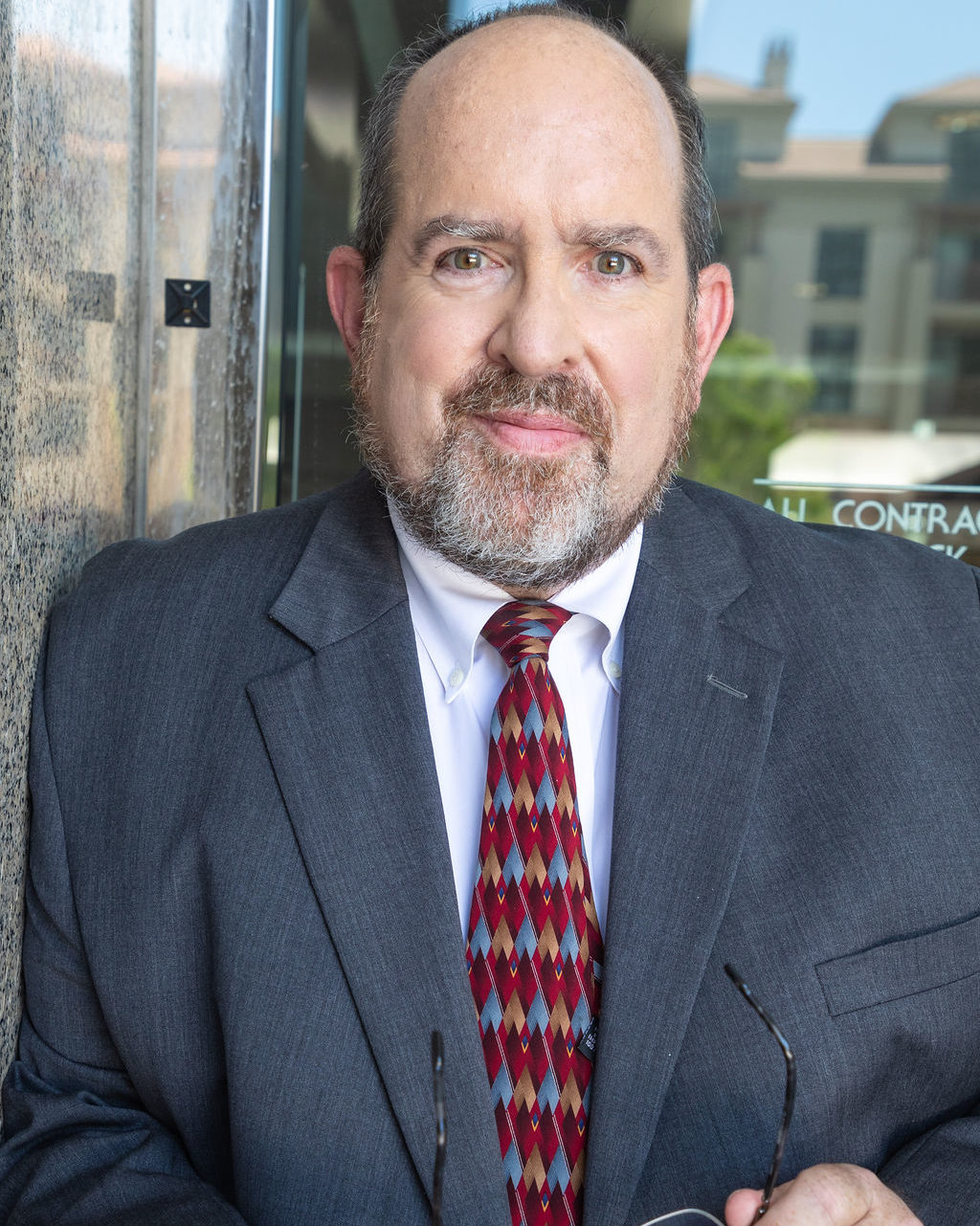
Laurence P. Lubka is Senior Counsel at Hunt Ortmann Palffy Nieves Darling & Mah, Inc. Mr. Lubka represents California clients throughout the world, ranging from local payment disputes to drafting contracts for projects overseas. He represents public entities, engineering firms, general contractors, major subcontractors, and suppliers. Mr. Lubka’s over forty years of representing clients on a wide variety of projects has allowed him to provide a complete range of support to clients of Hunt Ortmann.